
By Alexandros Sainidis
When you hear the word “international“, do you imagine the rich or the poor? Borders are one way to categorize individuals per state or nationality but classes have long been a gateway to view people’s identities beyond borders. An international ruling elite – reciprotal workers – poor, vulnerable southeners. This of course creates an ideological lens, which, albeit, cannot defy the idea of borders. If we escape bias and take a neutral stance, there are interesting observations to make. Instead of focusing on the hierarchy money and wealth creates, I am focusing here on the experiences and incentives behind money, classes. Because ultimately, we are all international actors.

Mid Desires
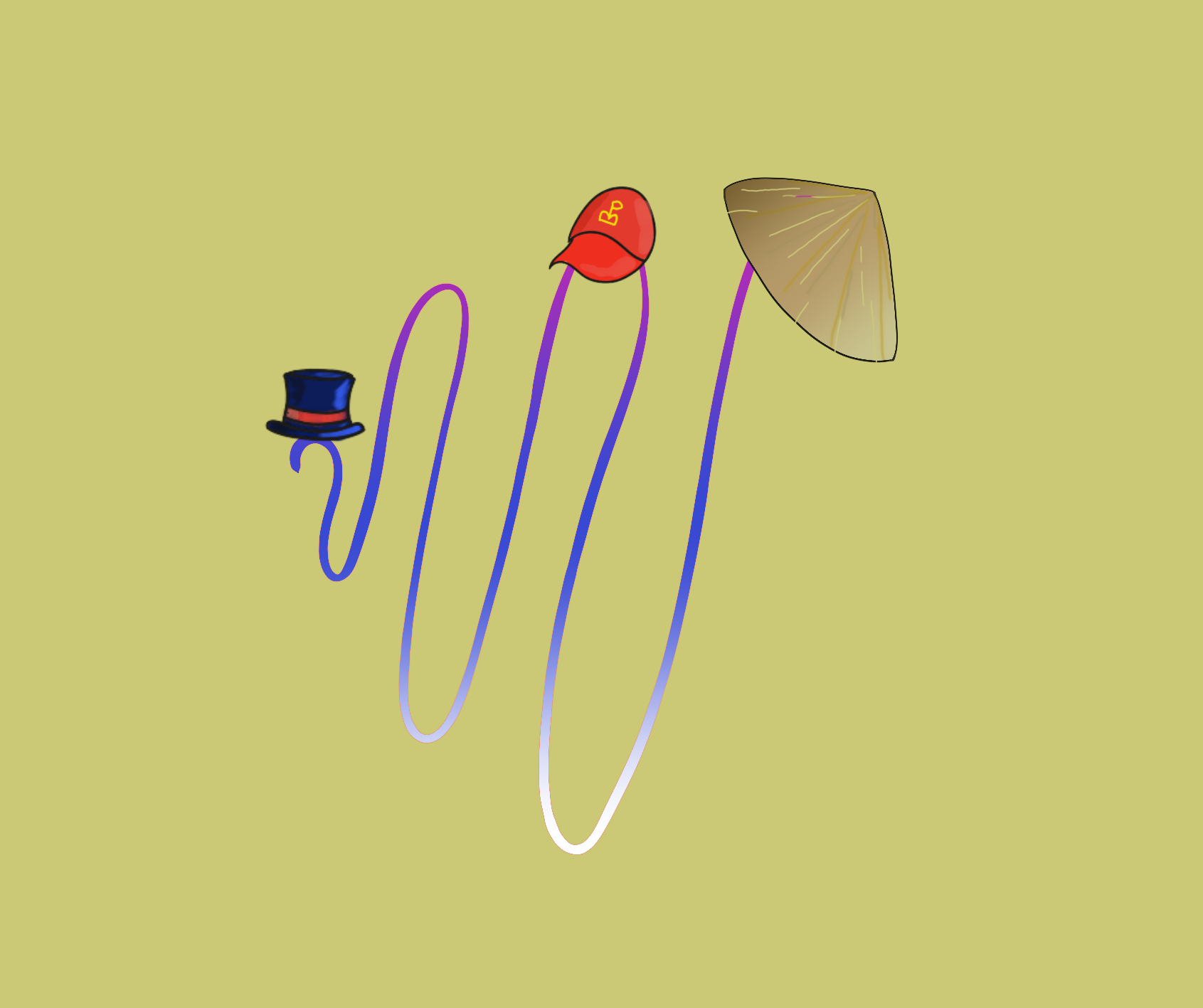
You probably already know that your iPhone was not made in your country. It was not even entirely made in the same country. The materials came from foreign lands and chances are when it was shipped it made detours, going up and down before it even reached your local store. Yet, the economy creates an illusion of ease – companies and economies make projections for a large amount of aggregate individuals and events. At most, you will have to wait for your iPhone for a week or a month. But the economy has many ways to make your wait comfortable through its sheer size and abundance. In simple words, while you are waiting for your iPhone, you have so many other desires to satisfy. For example, you may go to the movies as a form of moral boost, or spoil yourself with tasty food, perhaps subconsciously. Like every points on a bicycle’s wheel coming in contact with terrain at any time, a desire is met at any point, even if they are not met all at once. Through this lens, this is an adequate definition of a developed country’s middle class.

Rich Melancholies
Rich people’s economics, on the other hand, are like trains. They have many many wheels, like many many desires, connecting with the rails at a much faster rate. They are also run by engines, their capital, rather than their individual effort, because they manage or run organisations and frameworks. They have much more freedom to move between countries and continents, bringing products their fellow citizens wouldn’t even conceive. I mean, icecream that tastes like shark fins in Japan? You cannot find that. Yet, their abundance limits them due to the structure of the human biochemistry. When you have everything material, you may come to the point of desiring absolutely everything, including non-material assets. The stereotype of the 1% richest is one of a club of villains – what they desire is not bread, education or liberty. Hell, not even a new Mansion – they want it? They get it. They desire to convert abundant money into something else – influence, power, attention or fame, knowledge – even the warm-glow feeling of massive donations. The rich are also limited by fear – fears about the government, a bunch of thugs or other rich men threatening them. Even the ones who rise from the middle class with honest means are not afraid of being hungry – but they are afraid of feeling afraid again – in a very ironic way.

Poor Memories
Being poor is not too different from belonging to a different era entirely, unlike the rich who have the honour to be the early adopters of the future. Perhaps the wisdom of the poor has some similarities to the wisdom of past philosophers – stoics and cynics. In our analogy they are not on the train, neither on a bicycle. The wheel is not there to begin with. But yet we see that the poor may often be disproportionately happy. Bhutan, for example, is a pretty poor country but it measures its wealth in happiness. That’s a sneaky way to appear richer than you are. Their expectations are met when basic needs are covered. When there is barely enough money for food and electricity, a trip to the Canary islands is the least of your worries when you barely have any savings for food or can’t even afford housing without stepping into serious debt, risking everything. The best Netflix package is not even an option for homeless people – this is not what comes across their minds. And we ask ourselves questions daily: how did people live without phones? Well, they did. And they were not disappointed, because it never crossed their minds that they would someday be able to do so in their lifetimes and timelines.
As expected, the real difference of the three profiles is in economic power but the often overlooked (AKA under our noses 👃) similarity is in our psychologies. We can accurately measure their possessions, their networth. However, their psychological states are also altered and can be asymmetrical. Place a rich man in a marginalized village and compared to the locals, who have no other way of life to compare, they will be miserable, reminiscing the days they were rich. So at the same time, it’s important to recognize in what ways somebody is vulnerable. A tribe may be vulnerable to malaria and famine but they are not vulnerable to pandemic lockdowns. This unlocks a problematic but intriguing realization. Everybody can be vulnerable or resilient based on their ways of lives, material and psychological states. It is luck, in the form of fortune, destiny, statistics and risk that define how the international dimension affects all the people.

Published by